Chloral
The Seven Dials MysteryChloral is the sleeping mixture offered as the explanation for Gerald Wade’s death, and its importance lies in the gap between the evidence that makes an overdose seem straightforward and the possibility that the evidence was deliberately arranged. The substance is found beside a bottle and glass, but the story gradually makes that domestic-looking scene an object of suspicion: Gerald’s friends and sister know of no reason for him to take a sleeping draught, and the later investigation considers how someone inside the house could have put it in his drink.
Identification and Physical Evidence
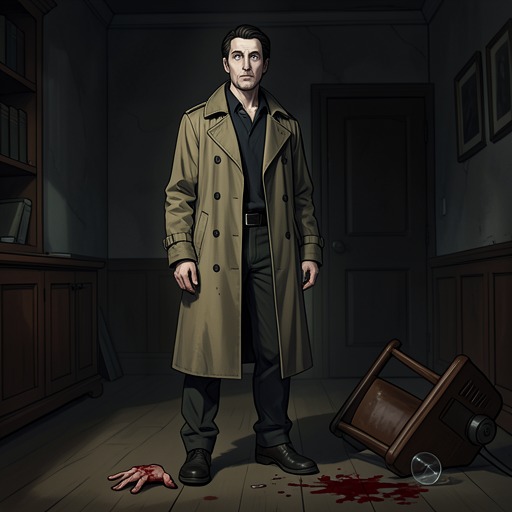
The doctor identifies chloral as the likely cause of death after finding the substance by Gerald Wade’s bed, along with a bottle and a glass. That arrangement gives the first account its apparent simplicity: the sleeping mixture is at hand, the container and drinking vessel are present, and an overdose seems to connect them. The doctor calls for an inquest despite judging the facts straightforward. At this point, chloral is not treated as a clue to a larger scheme so much as the most visible explanation for a young man’s sudden death.
The physical details matter because they leave room for more than one account. A bottle and glass establish that the mixture was available, but do not establish who prepared it or whether Gerald knowingly took it. The evidence initially invites an inference from proximity: because the substance is beside the bed, it appears to explain the death. The later questions turn that same proximity into a problem of access and placement.
The First Overdose Account
The people closest to Gerald offer evidence that sits uneasily beside the doctor’s suggestion. Ronald Devereux, whom the doctor recognizes as Gerald’s great friend, says Gerald slept very well and had never complained of sleeplessness. When the explanation of a sleeping draught reaches Loraine Wade, her response is incredulous. These reactions do not by themselves disprove an overdose, but they undermine the assumption that taking something to sleep was an ordinary habit for Gerald.
The difference between the medical account and the personal testimony becomes important as the case develops. The doctor infers an overdose from the substance and the objects at the bedside; Ronald Devereux and Loraine supply knowledge of Gerald’s habits. Their statements leave an unresolved question: if Gerald did not normally need help sleeping, why was chloral there? The early conclusion remains plausible on the available physical evidence, but it no longer fully fits what his intimates know of him.
Reconsidering the Glass
Bundle Brent later reasons through an alternative to Gerald taking the chloral himself. If he had not done so, someone could have entered his room, dissolved the substance in a glass of water, and left it for him to drink when he woke. In that account, the bottle or box could also have been left behind, making the scene look consistent with self-administration. Bundle’s reasoning changes the evidentiary meaning of the bedside objects: the glass is not merely evidence of a drink, but a possible means by which another person could administer the sleeping mixture.
Her explanation also narrows the practical question of opportunity. The person responsible, she argues, must have been in the house; an outsider could scarcely have entered the room and arranged the drink in the circumstances she is considering. The claim is presented as a line of reasoning rather than as proof that the substance was administered in this way. Chloral thus anchors a testable suspicion: the apparent overdose may depend on access to Gerald’s room and on a prepared glass, not on a habit of taking sleeping medicine.
Investigation and Narrative Function
The overdose explanation persists in official conversation. When Bundle asks Superintendent Battle about Gerald’s death, he describes it as an overdose of sleeping mixture. She counters with Loraine’s report that Gerald never took substances to make himself sleep; Battle answers that sisters may not know everything. His response does not settle the dispute. Instead, it shows how the same evidence can sustain competing interpretations: family knowledge is treated as incomplete, while the physical scene continues to support the conventional account.
In the wider revelation of the plot, Gerald’s death was murder disguised as a chloral overdose, and Jimmy Thesiger was responsible. Chloral’s narrative role therefore depends on its double function. It is a real substance in the bedside scene and the basis of the first explanation, but it also helps make that explanation credible enough to delay recognition of foul play. The objects do not speak for themselves: the bottle and glass can suggest an ordinary overdose until questions about Gerald’s habits, the preparation of the drink, and access to the room change what they appear to show.